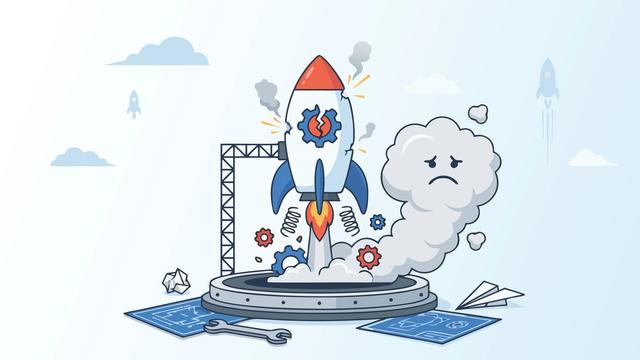
Getting software delivered right: scoping, delivery and keeping it alive
Most software disappointments come from how a project is scoped, run and maintained — not the code. The complete guide to getting a build delivered right: proper discovery, fixed scope, starting small, and keeping it alive after launch.


Custom software has a reputation for going wrong — big quotes, blown budgets, projects that limp to launch and get abandoned a year later. But the failures rarely come from the code. They come from how the project is scoped, priced, run and maintained. Get those right and the risk drops dramatically. This guide covers how to get a build delivered right: proper discovery before anyone codes, fixed scope so there are no surprises, starting small to de-risk it, choosing the right partner, and keeping the system alive after launch.
The short version
- Most software failures come from delivery, not code — scope, pricing, and maintenance.
- A proper discovery phase before building is the single biggest de-risking move.
- Fixed scope and fixed price shift the risk from you to the builder.
- Starting small proves the approach before you commit to the whole thing.
- Software needs ongoing care, or it quietly rots within months of launch.
Why do custom software projects go wrong?
Ask around and you'll hear the same stories: a build that ran double the quote, a system nobody uses, a project that stalled halfway. It's tempting to blame the technology. But dig into what actually happened and the cause is almost always upstream of the code — a vague brief, an hourly meter with no ceiling, a big-bang plan that bet everything on one long project, or a system that was handed over and then left to rot.
That's actually good news. It means the risk is manageable. You don't need to become technical or gamble on luck. You need a delivery approach that removes the common ways projects fail, one stage at a time.
It starts with discovery, not code
The single biggest de-risking move is a proper scoping phase before any building — mapping how your business actually runs, finding what's worth building, and producing an accurate quote. Skipping discovery is how projects end up building the wrong thing, or discovering the real scope halfway through, when changes are expensive and the timeline's already committed.
A fixed, low-cost discovery phase is the foundation of a build that goes right. It replaces assumptions with understanding, and it gives you a real plan and a real number before you commit to anything. Read more in what paid discovery is, and why it de-risks a build and how to scope a software project properly.
Fixed scope, fixed price
Overruns come from vague scope and hourly billing — a meter that keeps running with no ceiling. A proper scope followed by a fixed quote means you know the number before the build starts, and the risk of the scope creeping sits with the builder, not you. It's the structure that protects your budget. See fixed-price vs hourly software builds: which one protects you.
Start small
You don't have to build everything at once, and you shouldn't. Fixing one painful, valuable thing first — proving it works, then building out — spreads the cost, de-risks the approach, and starts paying off before you commit to more. Big-bang builds are where the horror stories come from; incremental delivery is how good builds happen. More in why "start small" beats a big-bang software build.
Choose the right partner
Who builds it matters as much as what gets built. The right partner understands your operation before writing code, works to a fixed scope, sticks around to maintain what they deliver, and is clear about who owns your data. A checklist of what to look for saves you from the partners who launch and vanish. See what to look for in a custom software partner and who owns your data — and what happens if your provider disappears.
Keep it alive
The failures that hurt most happen months after launch, when no one's maintaining the system and it quietly rots. Software isn't a one-off purchase — it needs ongoing care to stay working as your tools and rules change. Planning for maintenance from the start is what makes the whole investment pay off. Read why software needs maintenance and why custom software projects fail after launch.
What this guide covers
- Why custom software projects fail after launch — and how to avoid it
- What paid discovery is, and why it de-risks a build
- How to scope a software project properly
- Fixed-price vs hourly software builds: which one protects you
- Why "start small" beats a big-bang software build
- What to look for in a custom software partner (a checklist)
- Who owns your data — and what happens if your provider disappears
- Why software needs maintenance — and what good maintenance looks like
- Data migration: moving off your old tools without losing anything
- How to tell a software build is going well — and the warning signs it isn't
It's also worth reading across to our guides on the real cost of business software and custom software vs off-the-shelf, which sit alongside delivery in any buying decision.
Where to start
Getting a build delivered right starts before you commit to building anything — with understanding your operation and de-risking each stage. The value is in what we find: a clear picture of how you run, what's worth building, and how to deliver it without the surprises. Explore the cluster articles above for scoping, pricing, partner choice, migration and maintenance.
Tell us what you run, and we'll show you what's possible.